
For the average Indian sports fan, “atmosphere” isn’t
just a background hum; it’s a physical force. It’s the rhythmic chanting at the
Wankhede that makes the concrete vibrate under your feet, or the deafening,
high-decibel roar of a Kolkata Derby that swallows every other sound. For
years, we’ve been told that European football is the pinnacle of passion, but
let’s be honest: the polite applause of a London stadium often feels like a
library compared to the absolute chaos of an IPL final.
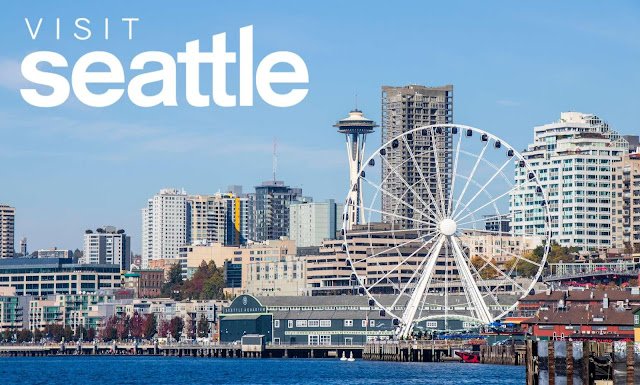
Enter Seattle.
As the FIFA World Cup 2026 descends upon the United States,
Indian fans looking for a familiar brand of sporting madness need to look past
the glitz of Miami or the corporate sheen of New York. Your destination is the
Pacific Northwest, specifically Seattle Stadium. In the world of American
sports, Seattle fans—known globally as “The 12s”—are the only tribe
capable of matching the raw energy of an Indian cricket crowd.
The Physics of the “Roar”
In India, we measure passion by how many neighbors can hear us.
In Seattle, they measure it on the Richter scale. This isn’t a metaphor.
During a legendary Seattle Seahawks playoff game (remembered as the “Beast
Quake”), the sheer collective jumping and screaming of Seattle fans
actually triggered a nearby seismograph, registering a 2.0 magnitude earthquake.
The Seattle Stadium is architecturally “cheating” in
the best way possible. Its two massive cantilevered roofs are designed like
acoustic mirrors, reflecting every scream back onto the pitch. It is a literal
sound trap. For an Indian fan used to the wall of sound during a Virat Kohli
century, walking into Seattle’s stadium will feel like a homecoming. It’s the
only place in the US where “noise” is considered a tactical 12th
player.
From the “Whistle” to the “Yeet”
Indian fan culture is defined by its quirks—the whistles, the
painted faces, the dhols. Seattle counters with the “Yeet.” If
you wander down to Pike Place Market before a match, you’ll witness the
“Fish Toss”—a tradition where massive, 10kg King Salmons are hurled
through the air with practiced precision.
There is a glorious, shared absurdity between Indian and
Seattleite fans. We have our shunya (zero) tolerance for losing; they
have a Sounders culture that marches through the streets with brass bands. Both
fanbases treat a match not as a 90-minute game, but as a day-long civic
festival.
Why It Matters for 2026
When the World Cup kicks off, most US host cities will feel like
massive, sprawling events. Seattle will feel like a stadium-city.
Because the venue is nestled right in the heart of the downtown “SODO”
district, the energy doesn’t dissipate—it funnels through the streets.
For the Indian diaspora and traveling fans, Seattle offers a
rare synergy. You get the world-class infrastructure of a US tech hub, but the
soul of a city that lives and breathes for its team.
So, if you’re planning your 2026 pilgrimage, don’t just go for
the football. Go for the one city that understands that sports should be loud,
slightly eccentric, and literally ground-shaking.
Plan your trip here visitseattle.org